Depth-driven 3D movie conversion software

Turn flat video into immersive stereoscopic cinema.

VisionDepth3D is an advanced 2D to 3D conversion and depth-based video processing platform built for creators, film enthusiasts, collectors, and serious media users who want premium control over cinematic stereo output. From AI depth analysis to refined stereo rendering and enhancement workflows, it is designed to make immersive 3D production feel powerful, modern, and precise.

Windows first CUDA ready Source-available No cloud dependency
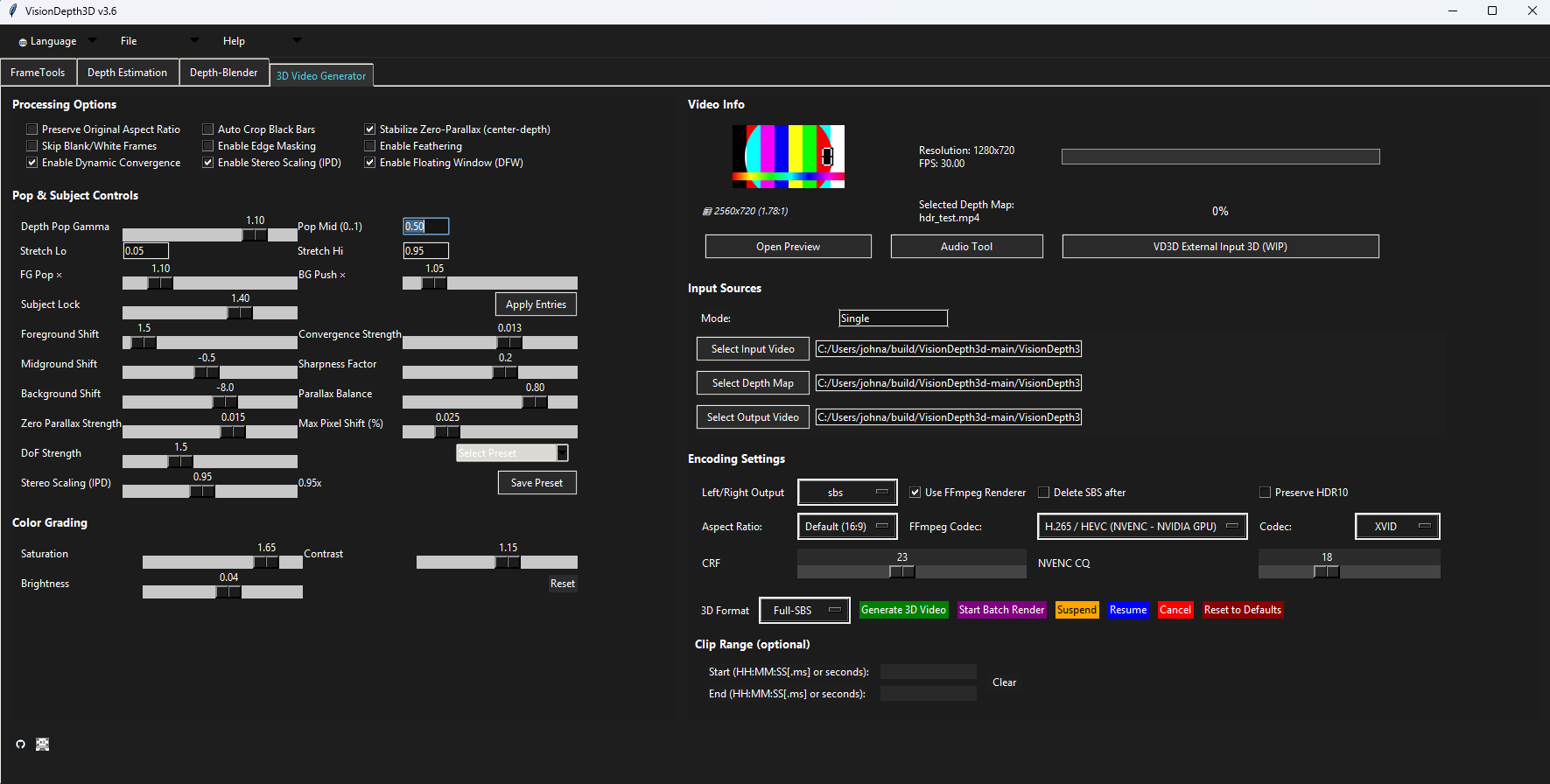
VisionDepth3D Interface Preview
VisionDepth3D cinematic preview
Immersive preview environment
VisionDepth3D stereo generation tab
Stereo rendering controls
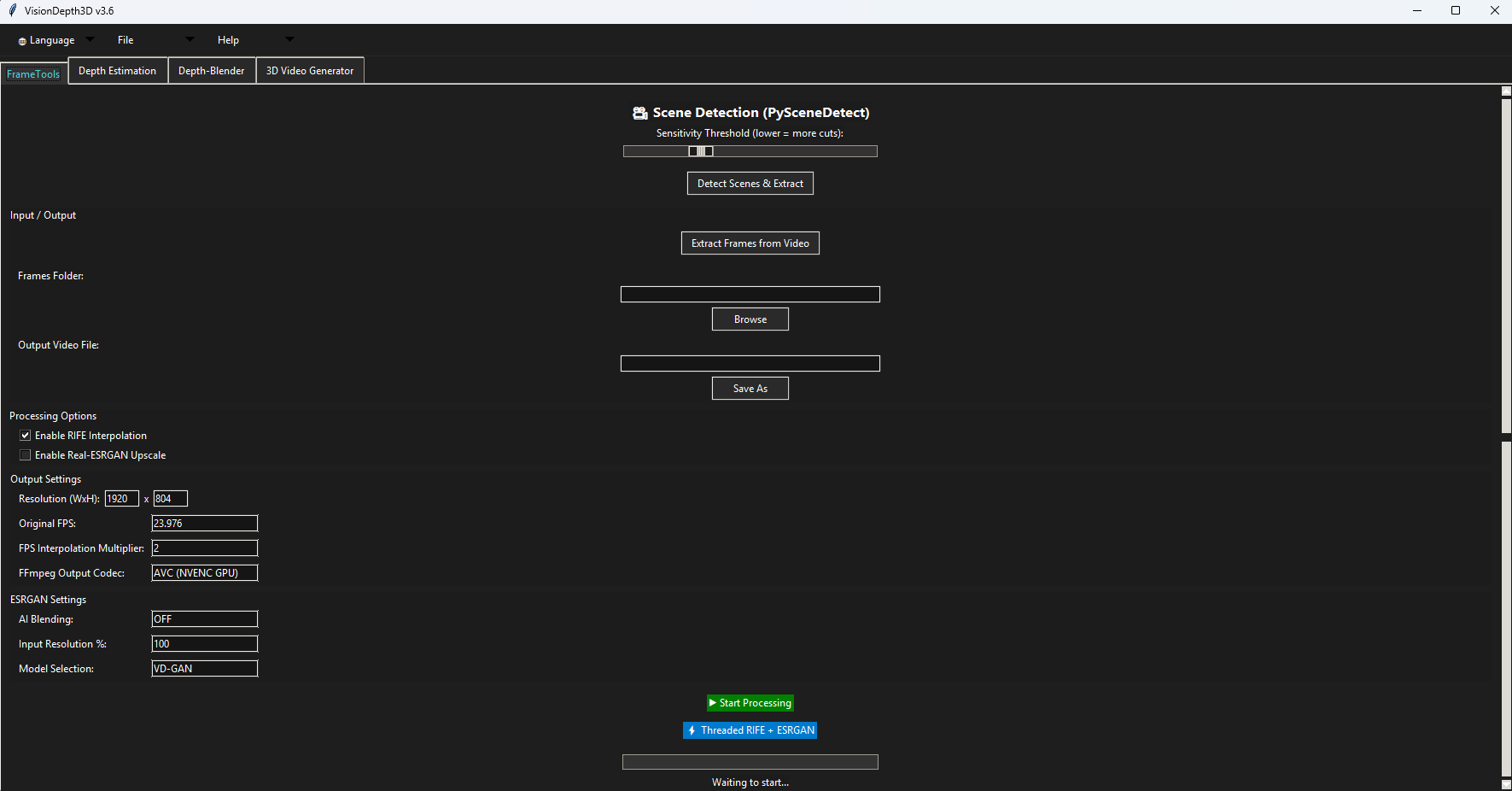
VisionDepth3D frame tools
Frame tools and precision processing
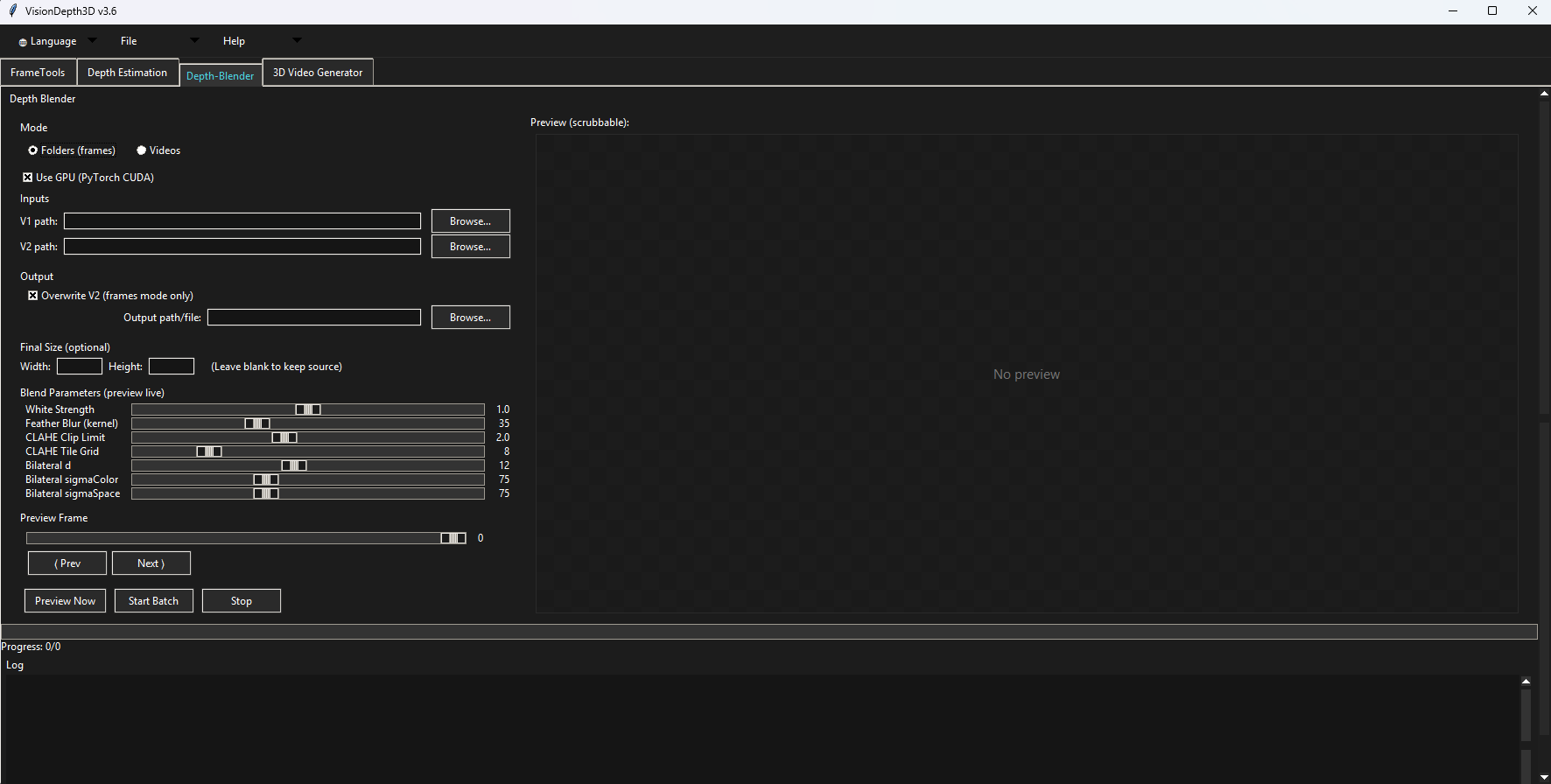
VisionDepth3D depth blend tools
Depth blending and refinement
VisionDepth3D help interface
Fast navigation and workflow speed
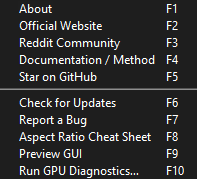
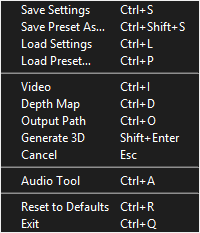
VisionDepth3D hotkeys panel
Built for efficient desktop operation
VisionDepth3D logo
Independent media technology brand
25+
Depth model options supported across modern AI workflows
17k+
Downloads from users exploring stereo conversion locally
206+
GitHub stars following the VisionDepth project
Core processing pipeline
01
Input Video
Load film, video, or source media into the workspace.
02
Depth Analysis
Estimate scene depth with AI-powered model support.
03
Stereo Generation
Build left and right eye views using depth-driven parallax.
04
Enhancement
Refine output with interpolation, blending, and upscale tools.
05
3D Output
Export for displays, headsets, collectors, and immersive playback.
Built for serious 3D results

VisionDepth3D focuses on visual quality, creative control, and local processing workflows that respect your media pipeline.

  • Depth-driven stereo rendering designed for cinematic presentation
  • Flexible exports including SBS, anaglyph, interlaced, and VR-ready modes
  • Enhancement tools for sharper output, smoother motion, and cleaner depth results
Feature-rich conversion platform

A modern toolkit for depth-driven cinematic workflows

VisionDepth3D is more than a simple converter. It is a creator-focused media platform built around AI depth estimation, advanced stereo rendering, enhancement tools, and export flexibility for immersive viewing environments.

Advanced Depth Model Support

Work with a broad collection of modern depth estimation models including DPT, ZoeDepth, Depth Anything V2, Marigold, and additional compatible pipelines for scene understanding and depth extraction.

Support for 25+ depth model paths and workflows Compatible with PyTorch and ONNX-based setups Built for experimentation, refinement, and local control

Stereo Rendering Engine

Generate stereoscopic views with depth-weighted shifting, scene-aware control, and output-focused rendering designed to improve immersion while keeping comfort and structure in mind.

Enhancement and Quality Recovery

Improve final presentation with Real-ESRGAN upscaling, RIFE interpolation, depth blending, and post-process refinement for sharper, cleaner, more premium-looking output.

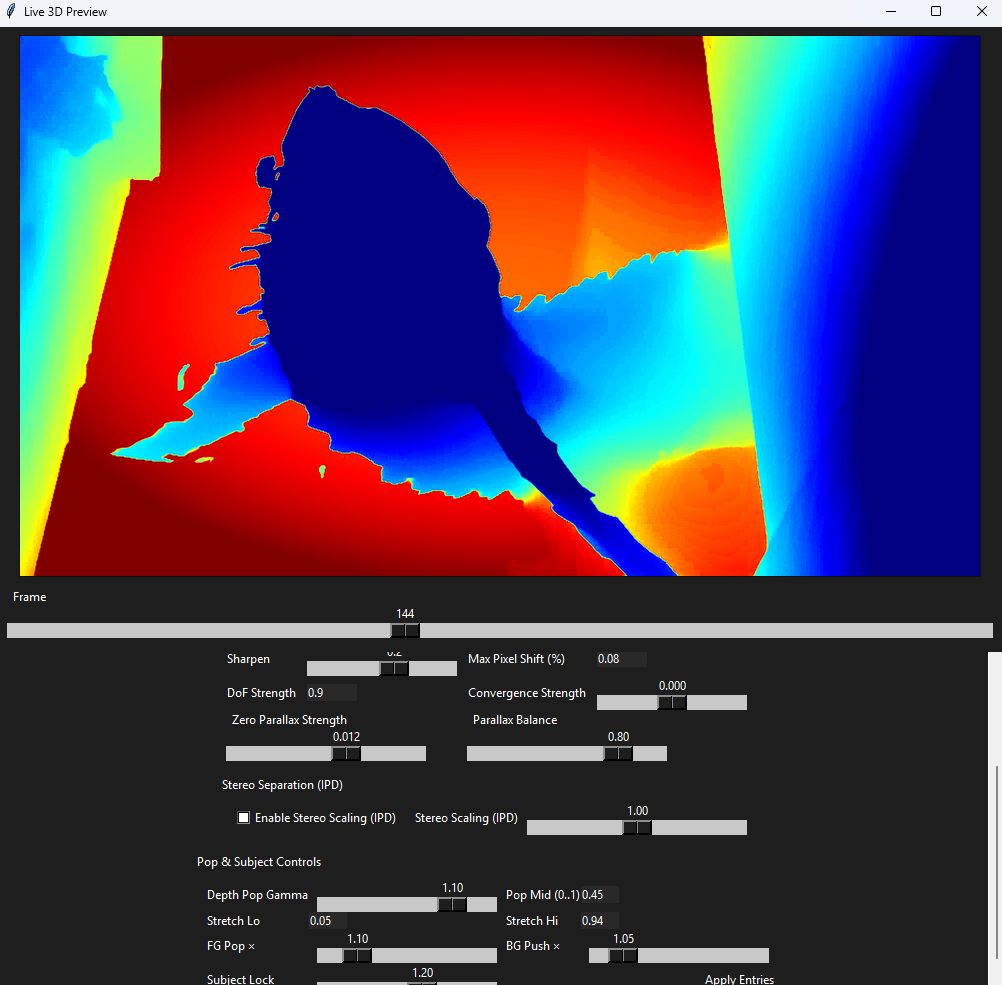
Live 3D Preview

Preview stereo output in real time across desktop and external display workflows.

Batch Rendering

Process folders, matched video-depth pairs, and larger media jobs with progress tracking.

Workflow Utilities

Use built-in frame tools, audio controls, hotkeys, and production-friendly utility panels.

Upscaling and Motion Smoothing

Deliver a cleaner finish with integrated upscaling and frame interpolation for users targeting sharper displays, smoother playback, or more polished archive conversions.

Advanced Rendering Controls

Fine-tune windowing, zero parallax behavior, edge handling, scene response, and export options for a more deliberate and comfortable 3D presentation.

How it works

A refined pipeline from 2D source to immersive 3D output

VisionDepth3D follows a clear production flow designed for users who want modern AI-assisted depth processing without losing access to practical rendering and enhancement controls.

01

Input Video

Start with a film, episode, clip, or source sequence and prepare it inside a desktop workflow built for local media processing.

02

Depth Analysis

Generate or import depth data using supported AI models, custom weights, or blended maps for more precise scene structure.

03

Stereo Generation

Build left and right eye imagery through depth-driven stereo warping, parallax control, and scene-aware adjustments.

04

Enhancement

Refine the result with interpolation, edge recovery, upscaling, floating window adjustments, and output-specific tuning.

05

Final 3D Output

Export to formats suitable for stereo displays, collectors, desktop playback, anaglyph viewing, interlaced screens, or VR-oriented presentation.

Pipeline visualization
2D Source 2D video, film files, clips, and archive footage enter the conversion workflow.
Upscale Source material is enhanced for stronger detail and a cleaner visual foundation.
Depth Engine AI depth workflows analyze scene structure and generate refined depth information.
3D Stereo Gen Processed media is converted into immersive stereoscopic output with export-ready results.
Half SBS Compact stereo delivery for broad compatibility
Full SBS Higher-resolution side-by-side export workflows
VR / Alt Modes Anaglyph, interlaced, and VR-oriented options
Why VisionDepth3D

Built for viewers and creators who want serious cinematic depth

VisionDepth3D stands apart by focusing on immersion, practical creative control, and a modern local-first workflow rather than treating 3D conversion as a novelty effect.

What makes the platform different

01

Depth-driven, not surface-level

VisionDepth3D is designed around real depth workflows, letting users work with model output, blend maps, and refine how scene structure drives stereo conversion.

02

Focused on cinematic comfort

Rendering tools emphasize more stable depth behavior, better control over parallax, and a more considered viewing experience across longer-form content.

03

Designed for control and iteration

From model selection to export format, the workflow supports experimentation without removing the practical knobs advanced users expect.

04

Local-first processing

No forced cloud workflow, no dependency on remote rendering, and no need to send sensitive media to external services just to create immersive output.

VisionDepth3D strengths

  • AI depth workflows with multiple model optionsIncluded
  • Advanced stereo rendering and 3D export flexibilityIncluded
  • Enhancement tools for upscale and motion refinementIncluded
  • Collector and enthusiast-friendly local workflowIncluded
  • Built for film, archive, and immersive playback use casesIncluded

Platform positioning

VisionDepth3D is aimed at users who care about output quality, depth fidelity, viewing comfort, and the flexibility to shape their own 3D workflow.

  • Creators and editorsProduction-ready
  • Film enthusiasts and collectorsPremium fit
  • Desktop power usersLocal workflow
  • Immersive media experimentationDepth-focused

The VisionDepth3D method

The underlying approach combines depth-weighted parallax behavior, subject-aware control, edge-sensitive handling, scene response tuning, and GPU-accelerated stereo processing for more refined 3D results.

Download VisionDepth3D

Start building immersive 3D output on your own system

Download the Windows build and explore a serious 3D movie conversion workflow with local rendering, depth analysis, stereo generation, and enhancement tools designed for premium results.

Recommended environment

  • Windows 10 or 11 desktop workflow
  • 16 GB RAM recommended for smoother media handling
  • NVIDIA GTX 10 series or newer recommended
  • CUDA acceleration for stronger processing speed

Supported output formats

  • Half Side by Side
  • Full Side by Side
  • VR180 equirect TB and SBS
  • Anaglyph and interlaced exports

What you get

  • Local depth and stereo processing workflow
  • Support for AI depth models and custom pipelines
  • Enhancement tools for upscaling and interpolation
  • No telemetry-first product model and no required cloud rendering

License overview

VisionDepth3D is available for personal, non-commercial use under the VisionDepth3D License Agreement. Commercial, business, or revenue-generating use requires written permission.

Support and project access

Explore releases, updates, community feedback, and source-available project details through GitHub and Itch.io.

Now Available Android TV App Coming Soon

Meet VisionVault

VisionVault is now available as a companion platform from the VisionDepth brand, built for movie collection management and discovery. Designed for collectors and media enthusiasts, it expands the VisionDepth ecosystem beyond conversion and into organization, browsing, and connected library experiences.

The Collector App and Web UI are available now, giving users a premium way to organize, explore, and access their film libraries across devices. The Android TV app is still in development and coming soon, bringing the VisionVault experience to the big screen.

Collector app available now for managing and exploring personal film libraries Web UI available now for connected browsing, discovery, and multi-device access Android TV app coming soon for a cinematic living-room experience A premium collector ecosystem built to extend the VisionDepth experience
Available Now
Collector App Track, organize, and browse your film collection with a premium local-first interface.
Available Now
Web UI Explore your library through a sleek connected browser experience with multi-device access.
Coming Soon
Android TV App Bring your collection to the big screen with a cinematic browsing and playback companion.
VisionVault Live Ecosystem
FAQ

Answers for creators, collectors, and power users

A few of the most common questions around performance, compatibility, licensing, and workflow flexibility.

Does VisionDepth3D run on AMD or Apple GPUs?

VisionDepth3D can run on CPU across supported environments, but GPU acceleration is currently centered on NVIDIA through CUDA and ONNX-oriented workflows. Alternative backends may be possible where supported, while broader Apple Silicon and expanded GPU options remain future-facing development targets.

Can I use my own depth model?

Yes. Advanced users can add compatible model weights and integrate supported depth workflows depending on the model format. Both PyTorch and ONNX-oriented paths are part of the broader design philosophy for flexible local experimentation.

What license does the software use?

VisionDepth3D is available for personal, non-commercial use under the VisionDepth3D License Agreement. Commercial, business, or revenue-generating use requires written permission from the licensor. Third-party components remain subject to their own licenses. Full terms are available in the project license documentation.

Where can I get support or follow development?

Support and project visibility are available through GitHub, the Itch.io page, and related project channels. Those platforms are the best places to track updates, releases, and issue reporting.
License and usage

Clear terms for a serious software platform

VisionDepth3D is shared with a source-available model and a defined personal-use license structure. Review the full license for complete terms.

Usage Grant

Free for personal, non-commercial use within the boundaries of the VisionDepth3D License Agreement.

Commercial Use

Commercial or revenue-generating use requires written permission from the licensor before deployment.

Restrictions

Redistribution, resale, sublicensing, reverse engineering, and derivative works are restricted under the stated license terms.

Ownership

All platform rights remain with the licensor except where third-party components carry their own independent licensing.

Third-Party Components

External frameworks, models, and supporting tools remain governed by their respective licenses and requirements.

Warranty

The software is provided as is, without warranty of any kind, whether express or implied.

Full license: LICENSE on GitHub · Commercial licensing: redsky90@gmail.com